
If you have ever asked yourself, “Why is my car overheating?” you are not alone. It is one of the most common and most ignored car problems drivers deal with until it turns into a major repair bill.
Your engine operates under extreme heat every single time you drive. The cooling system is what keeps that heat under control. When even one part of that system fails, your engine can overheat quickly and cause serious damage.
Many drivers make the mistake of continuing to drive even after seeing warning signs. That is how a small coolant leak turns into a blown head gasket or complete engine failure. And once that happens, repairs get expensive fast.
This guide breaks down the most common causes of car overheating, the warning signs you should never ignore, and what to do before the problem gets worse.
Common Warning Signs of Car Engine Overheating
Most vehicles give warning signs before a complete overheating disaster happens. The problem is that many drivers ignore them. Here are the biggest signs to watch for.
1. The Temperature Gauge Climbs Too High
Your dashboard temperature gauge should stay around the middle while driving. If it starts creeping toward “H” or the red zone, your engine is running hotter than normal. This is usually the first warning sign of a car engine overheating.
2. Steam Coming From Under the Hood
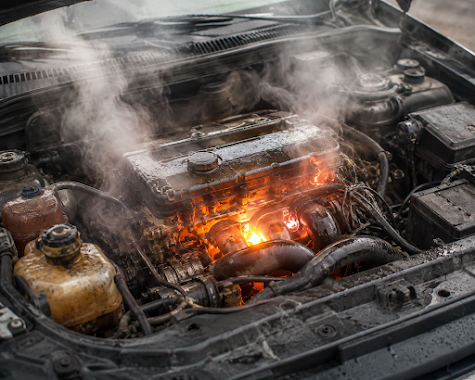
If you see steam coming out from under your hood, stop driving immediately. Many people think it is smoke, but it is often coolant boiling over because the engine temperature has become dangerously high. Driving further can cause permanent engine damage within minutes.
3. Strange Smells Inside or Outside the Car
Overheating engines often produce unusual smells, including:
Sweet smells from leaking coolant
Burning oil odors
Hot metal or burning rubber smells
If your car suddenly smells “hot,” do not ignore it.
4. Coolant Leaks Under the Vehicle
Coolant is usually green, orange, pink, or yellow, depending on the type used. If you notice puddles under your car, your cooling system may be leaking. Low coolant levels are one of the leading causes of car overheating.
5. Reduced Engine Performance
An overheating engine may feel sluggish, hesitate during acceleration, or lose power entirely. Many newer vehicles enter limp mode to protect the engine when temperatures get too high.
6. Warning Lights Turn On
If your check engine light or temperature warning light appears, your vehicle is trying to tell you something is wrong. Ignoring dashboard warnings is one of the fastest ways to turn a minor repair into a major one.
What Are the Most Reasons of Car Overheating Causes?
There is no single reason why overheating happens. Several components work together to keep engine temperatures stable, and failure in any of them can create problems. Here are the most common reasons behind car overheating:
1. Low Coolant Levels
Coolant is the lifeblood of your cooling system. Without enough coolant, your engine cannot regulate temperature properly. Coolant levels drop because of leaks, evaporation, cracked hoses, or other internal engine problems.
Some drivers simply keep topping off coolant without fixing the actual leak. That is like putting a bucket under a leaking roof instead of repairing the hole.
2. Radiator Problems
The radiator removes heat from the coolant before it circulates back through the engine. If the radiator becomes clogged, cracked, or blocked by debris, heat cannot escape properly. Common radiator issues include:
Corrosion buildup
Bent cooling fins
Internal blockages
External dirt and debris
A damaged radiator is a major contributor to engine overheating.
3. Faulty Thermostat
The thermostat controls coolant flow between the engine and radiator. When it gets stuck closed, coolant cannot circulate properly, causing temperatures to rise rapidly. A bad thermostat often causes sudden overheating even if coolant levels seem normal.
4. Broken Water Pump
The water pump pushes coolant through the cooling system. If it fails, coolant stops circulating effectively. Signs of a failing water pump include:
Coolant leaks near the front of the engine
Grinding noises
Overheating at higher speeds
Steam from the engine bay
Ignoring a failing water pump is asking for serious trouble.
5. Cooling Fan Failure
Your radiator fan helps cool the engine, especially during slow driving or while idling. If the fan stops working, temperatures can rise quickly in traffic. This is why some cars only overheat while stopped but seem fine on the highway.
6. Coolant Hose Leaks
Cooling system hoses carry coolant throughout the engine. Over time, hoses become brittle, crack, or loosen. Even a small leak can reduce cooling efficiency dramatically. Texas heat makes hose wear happen even faster.
7. Blown Head Gasket
This is one of the most serious causes of car overheating. A blown head gasket allows coolant and engine oil to mix or lets combustion gases enter the cooling system. Symptoms include:
White smoke from the exhaust
Milky oil
Constant overheating
Coolant disappearing rapidly
Unfortunately, many drivers continue operating the vehicle despite these signs, making the damage far worse.
8. Driving in Extreme Heat
Hot weather puts extra stress on your cooling system. Summer driving in Texas can push weak cooling systems past their limit, especially during heavy traffic, long road trips, and towing. An already struggling cooling system often fails completely during extreme heat.
What Should You Do If Your Car Starts Overheating?
If your temperature gauge rises suddenly, do not panic. But do not ignore it either.
Turn off the AC: Air conditioning adds extra load to the engine. Shut it off immediately. Turn on the heater instead. It sounds strange, but the heater pulls heat away from the engine.
Pull Over Safely: If temperatures continue rising, pull over as soon as it is safe. Driving an overheating vehicle for “just a few more minutes” can destroy your engine.
Do not open the Radiator Cap: The cooling system is pressurized. Opening the radiator cap while hot can cause boiling coolant to explode outward. Wait until the engine cools completely.
Check Coolant Levels: Once the engine cools, inspect coolant levels carefully. If coolant is extremely low, there is likely a leak somewhere in the system.
Call a Professional: If the problem keeps happening, the issue is deeper than simply adding coolant. Persistent overheating needs proper diagnosis before expensive damage occurs.
How Can You Prevent Car Overheating Problems?
The good news is that many overheating problems are preventable. Here are some simple ways to reduce your risk.
Keep Up With Coolant Flushes: Old coolant can cause corrosion, blockages, and overheating problems. Follow your manufacturer’s recommended coolant service intervals.
Inspect Hoses and Belts Regularly: Small cracks and soft spots in hoses are early warning signs. Replacing worn hoses early costs far less than repairing an overheated engine.
Fix Small Leaks Early: Tiny coolant leaks become major leaks eventually, so make sure to fix everything in a timely manner. Schedule Routine Cooling System Inspections: Professional inspections can catch failing components before they cause engine overheating.
Wrapping Up
Overheating cars rarely fixes itself. In fact, it almost always gets worse. Pay attention to early symptoms like rising temperatures, coolant leaks, strange smells, or steam from under the hood. Catching the issue early can save you from major engine damage and thousands in repair costs.
If your vehicle is showing signs of car engine overheating and you need professional help, Gentry Automotive Repairs provides trusted diagnostic and repair services for drivers looking for reliable Auto Repair Montgomery, TX solutions. Schedule a professional inspection today!
